Florida Termite Control: Comprehensive Homeowner Guide to Inspection, Treatment, and Prevention

Termites pose a significant threat to homes in Florida, causing extensive damage that can lead to costly repairs. This comprehensive guide aims to equip homeowners with essential knowledge about termite control, including inspection methods, treatment options, and prevention strategies. Understanding how to identify signs of infestation and the types of termites prevalent in Florida is crucial for effective management. Homeowners will learn about the various inspection techniques available, the most effective treatment options, and proactive measures to prevent termite damage. By following this guide, you can protect your home from these destructive pests and ensure its longevity.

Homeowner Guide on Florida Termite Control

Termite control is vital for homeowners in Florida due to the state’s warm and humid climate, which creates an ideal environment for these pests. Termites can cause significant structural damage if left unchecked, making it essential to understand the common issues faced by homeowners and the services available to combat these threats. This guide provides an overview of termite control, emphasizing the importance of early detection and intervention.

1. Inspection Methods:

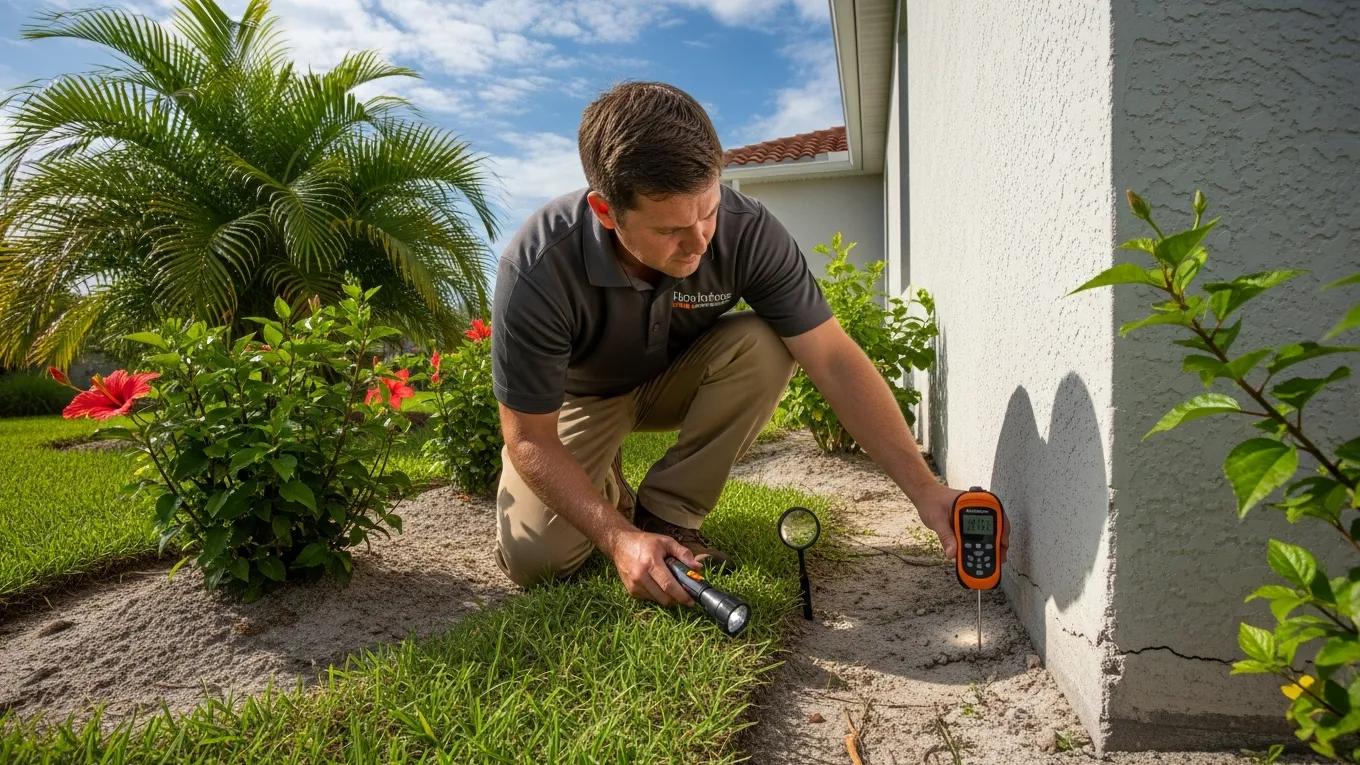
Effective termite control begins with thorough inspections to identify any signs of infestation. Homeowners can utilize various inspection methods to assess their properties for termite activity. These methods include visual inspections, moisture detection, and the use of specialized equipment to locate hidden infestations. Regular inspections are crucial, especially in areas prone to termite activity, as they help catch infestations early before they cause extensive damage.

How Can Homeowners Identify Termite Infestation Signs in Florida?

Homeowners can identify termite infestations by looking for specific signs, such as mud tubes, discarded wings, and frass (termite droppings). These indicators often appear near the foundation or wooden structures of the home. Additionally, homeowners should be aware of any unexplained damage to wood, such as hollow-sounding areas or buckling paint, which may suggest termite activity.

What Are the Common Termite Species Affecting Southwest Florida Homes?

In Southwest Florida, the most common termite species include the Eastern Subterranean termite and the Drywood termite. The Eastern Subterranean termite typically nests underground and can cause significant damage to the structure of homes. In contrast, Drywood termites live within the wood they consume, making them particularly challenging to detect until damage is evident.

Which Visible Damage and Behavioral Signs Indicate Termite Presence?

Visible damage from termites often manifests as hollowed-out wood, sagging floors, and peeling paint. Homeowners may also notice swarming termites during the spring months, which is a clear indication of an established colony. Recognizing these signs early can help homeowners take prompt action to mitigate damage.

What Are the Effective Termite Inspection Services Available in Southwest Florida?

Professional termite inspection services are available throughout Southwest Florida, offering comprehensive assessments of properties. These services typically include visual inspections, moisture assessments, and the use of advanced technology to detect hidden infestations. Homeowners are encouraged to schedule regular inspections, especially before buying or selling a home.

How Does a Professional Termite Inspection Process Work?

A professional termite inspection involves a thorough examination of the property, including the foundation, crawl spaces, and any wooden structures. Inspectors look for signs of termite activity and assess the overall condition of the property. After the inspection, homeowners receive a detailed report outlining any findings and recommended actions.

How Often Should Termite Inspections Be Conducted for Optimal Prevention?

Homeowners should conduct termite inspections at least once a year to ensure early detection of any potential infestations. In high-risk areas, more frequent inspections may be necessary. Regular inspections help maintain the integrity of the home and prevent costly repairs.

2. Treatment Options:

When it comes to treating termite infestations, homeowners have several options available. The choice of treatment depends on the type of termite, the extent of the infestation, and the specific circumstances of the property. Common treatment methods include liquid barrier treatments, baiting systems, and fumigation.

Which Termite Treatment Methods Are Best Suited for Florida Homes?

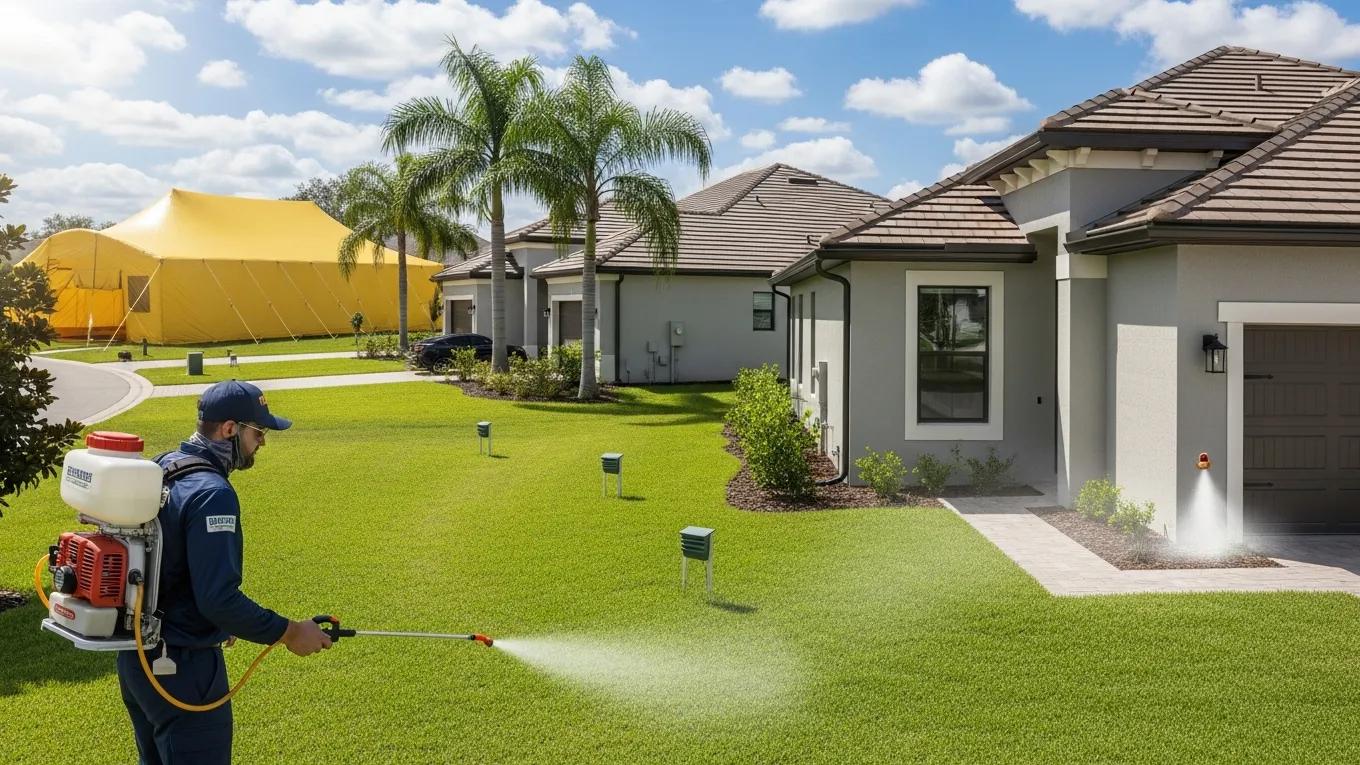
For Florida homes, liquid barrier treatments are often effective against subterranean termites, creating a protective barrier around the foundation. Baiting systems can be used for both subterranean and drywood termites, providing a targeted approach to eliminate colonies. Fumigation is typically reserved for severe infestations, particularly with drywood termites, as it involves sealing the home and introducing a gas that penetrates all wood structures.

What Are the Pros and Cons of Liquid Barrier and Baiting Systems?

Liquid barrier treatments offer immediate protection but require professional application and regular maintenance. Baiting systems are less intrusive and can be monitored over time, but they may take longer to eliminate an entire colony. Homeowners should weigh these options based on their specific needs and the severity of the infestation.

Are Environmentally Safe Termite Treatments Available in Southwest Florida?

Yes, environmentally safe termite treatments are available in Southwest Florida. Many pest control companies offer green alternatives that utilize natural ingredients to deter termites without harming the environment. Homeowners interested in eco-friendly options should inquire about these treatments during their consultations.

Further research highlights the growing importance and effectiveness of eco-friendly approaches, including biological and botanical methods, for sustainable termite control in tropical regions.

Eco-Friendly Termite Management in Tropical Climates

Being important pests of temperate and tropical regions, termites are responsible for massive losses to agricultural crops and wooden structures. Chemical control is the most popular and effective method of management. However, the deleterious effect of continuous usage of chemical termiticides is of serious concern, and researchers throughout the world are actually searching for alternative approaches. This chapter encompasses the various non-chemical strategies developed so far. Physical methods of control are also discussed. Focus has been given on biological means of management with major emphasis drawn on fungi, bacteria, nematodes and plant-derived natural products (botanicals). Botanical pesticides are sustainable, biodegradable and easily available, with no effect on nontarget species, and do not cause pest resistance. Furthermore, the bioactive components present in the botanicals can be isolated, characterized, formulated and used as commercial termiticides.

Eco-friendly termite management in tropical conditions, M Verma, 2017

3. Prevention Strategies:

Preventing termite infestations is crucial for homeowners in Florida. By implementing effective prevention strategies, homeowners can significantly reduce the risk of termite damage. Key strategies include moisture control, regular maintenance, and proactive inspections.

How Can Homeowners Prevent Termite Damage Effectively in Florida?

Homeowners can prevent termite damage by ensuring proper drainage around the foundation, sealing cracks and crevices, and removing any wood-to-soil contact. Regular maintenance, such as repairing leaks and maintaining gutters, also helps reduce moisture levels that attract termites.

What Seasonal Termite Prevention Methods Should Florida Homeowners Follow?

Seasonal prevention methods include inspecting the property for signs of termite activity during the spring and fall, as these are peak seasons for termite swarming. Homeowners should also ensure that any wood piles or debris are removed from the property to eliminate potential nesting sites.

How Do Local Regulations Influence Termite Prevention Practices?

Local regulations may dictate specific practices for termite prevention, including mandatory inspections for real estate transactions. Homeowners should familiarize themselves with these regulations to ensure compliance and protect their properties effectively.